Structural Drying & Dehumidification in Converse, TX
Extracting the water is only half the job. The restoration team dries the walls, slabs, and framing to a verified standard with air movers and dehumidifiers, 24/7 across Converse.
(210) 972-3919Tap the 24/7 Converse dispatch line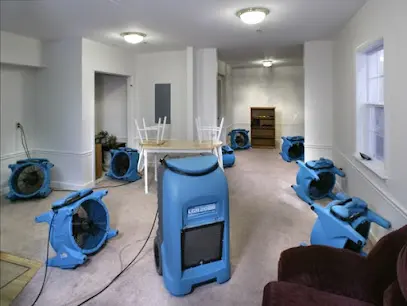
Why Converse calls the local water damage pros first
Rapid local response
The response team answers 24/7, and the nearest crew heads out the moment you call, day or night, across Converse and northeast Bexar County.
IICRC S500 drying standard
The drying team runs truck-mounted extractors, air movers, and moisture meters and dries to a verified standard, not a mop and a box fan.
Claim-ready documentation
The mitigation team documents the loss with photos and daily moisture readings, the paperwork an adjuster needs to move a claim.
South Texas water experts
Flash Flood Alley creeks, clay slab leaks, freeze breaks, hail roof leaks, and AC overflow, so the local pros know how water moves in a Converse home.
What to do right now for structural drying and dehumidification in Converse
- Get the standing water extracted first
- Keep the affected area closed off and the HVAC steady
- Do not run household fans and assume it is drying
- Leave the drying equipment running as placed
- Call the 24/7 line to meter and dry to a verified standard
What does structural drying and dehumidification cost in Converse, TX?
In Converse, TX, structural drying and dehumidification typically runs $1,500 to $7,000, depending on how many rooms are affected, the materials involved, and how long drying takes.
One room
- A single room or area
- Air movers and dehumidifier
- 3 to 4 days
Multi-room
- Several rooms or a slab
- Mat and cavity drying
- Daily monitoring
Extensive
- Whole-floor drying
- Complex slab and cavity work
- Documented loss
Documentation for your insurance claim
A sudden, accidental water loss is usually covered. The restoration team documents the loss with photos and daily moisture readings, the paperwork an adjuster looks for. Coverage depends on your policy, so it is worth checking with your own insurer. Want a number first? Try the Drying-Time Estimator for a Converse range.
How structural drying and dehumidification is handled in Converse
Call and dispatch
The response team answers 24/7, and the nearest Converse crew heads out with pumps, air movers, and moisture meters.
Assess and stop it
The crew finds the source and the full reach of the water, including what soaked into slab, subfloor, and wall cavities.
Extract and dry
The extraction crew pulls the standing water, then runs air movers and dehumidifiers to a verified dry standard, not just the surface.
Verify and document
The drying team logs moisture readings until the structure is dry, then documents the loss with the photos and readings an adjuster needs.
Pulling out the standing water feels like the emergency is over, but the water that soaked into the structure is what causes the lasting damage. Drywall, framing, subfloor, and a concrete slab all hold moisture long after the surface looks dry, and in the South Texas humidity that trapped water warps wood, delaminates flooring, and grows mold within a day or two. Structural drying is the monitored process of getting the building materials themselves back to a safe, verified dry standard.
Why surface drying is not enough here
The humidity works against you:
- Wall cavities and insulation stay wet behind dry-looking paint
- A slab and the clay beneath it release moisture slowly for days
- Warm, humid South Texas air will not dry a structure on its own
- Trapped moisture warps hardwood and grows mold fast
Drying is the back half of every job, following water extraction. It is also the specialized part of drying a slab leak, where the concrete itself has to be dried.
The drying process
The restoration technicians dry to a number, not a guess:
- Map the moisture with meters and thermal imaging to find every wet area
- Set air movers and low-grain refrigerant dehumidifiers for the space
- Use mat systems and injection drying for slabs and wall cavities
- Take daily readings and adjust until every material hits a verified dry target
Water extracted but worried it is still wet inside the walls? Call and a Converse crew will meter and dry it right, day or night.
Call (210) 972-3919Dry fast, before mold starts
The Environmental Protection Agency advises drying wet materials within 24 to 48 hours to prevent mold, as its moisture and mold guidance explains, and that window is even tighter in the South Texas heat. The Centers for Disease Control and Prevention agrees that quick, thorough drying is the key to preventing mold after any water loss. The crew dries to a verified reading so it is done right the first time.
The crew dries to a number, not a guess
A room can feel dry and still have soaked framing behind the walls. The crew meters every material daily and only pull the equipment when the readings confirm the structure has reached a safe, dry target.
From Converse across northeast Bexar County
Converse water damage pros respond across every Converse ZIP and out into the county, day or night.
Converse water damage pros cover the whole city and out across northeast Bexar County, day or night, with rapid local response.
Coverage runs across Converse, Universal City, Schertz, Live Oak, Kirby, Selma, Cibolo, Windcrest, and NE San Antonio.
See every neighborhood and ZIP covered ›Related restoration services
Structural drying questions, answered in Converse
Water in your home right now?
Do not wait for the FAQ. A Converse restoration team is standing by 24/7.
(210) 972-3919 Talk to a Converse crewHow long does structural drying take in Converse?
Most homes dry in three to five days, longer for a saturated slab, hardwood, or heavy attic insulation. South Texas humidity slows natural drying, so crews use commercial dehumidifiers and monitor daily rather than guessing at a finish.
Why can't I just use my own fans?
Household fans move surface air but do not pull moisture from framing, a slab, or a wall cavity, and in the humid South Texas air they can spread moisture around. Commercial air movers paired with dehumidifiers actually dry the structure.
How do you know when it is dry?
The crew takes daily moisture readings with meters and compare them to a dry standard for each material. Crews pull the equipment only once the readings confirm the walls, floors, and framing have reached a safe, verified target.
Will drying prevent mold?
Fast, thorough drying is the single best way to prevent mold, because mold needs moisture to grow. Getting the structure dry within the first day or two, and verifying it, is what stops mold before it starts in this climate.
Is the drying equipment loud or disruptive?
Air movers and dehumidifiers do run continuously for a few days, which is normal and necessary. Leaving them running as placed is what dries the structure, and the crew positions them to work while you stay in the home where possible.
A Converse crew is standing by
Water sitting means damage spreading. Call Converse Water Damage Restoration and a crew heads out across Converse and northeast Bexar County, day or night.
(210) 972-3919Call now, a crew picks up day or night